
Amazon DSP (Amazon Demand-Side Platform) is a platform that allows advertisers to buy display and video ads programmatically. It also enables advertisers to reach and re-engage customers both on and off Amazon.
How does it work?
Amazon DSP is a programmatic display advertising platform, which means it uses technology to buy and manage the media mix more efficiently.
Amazon DSP can be used to:
- increase brand awareness by improving visibility and drawing attention to the brand;
- increase consideration by shaping consumer preference and positioning the product against competitors;
- increase purchases by re-engaging customers and driving new conversions.
With Amazon DSP, advertisers can use Amazon’s exclusive audience segments to reach their ideal audience both on and off Amazon. In practice, this means reaching users on Amazon, Twitch, Freevee (IMDb Streaming), Kindle, apps, partner sites and major publishers.
Audience segments on Amazon DSP are differentiated by behaviors and actions, notably “in-market” and “lifestyle.” In-market audiences are used to reach customers who may take action or make a purchase based on recent search, browsing or buying behavior in the last 30 days. Lifestyle audiences reflect broader interest groups and help keep the brand top of mind among shoppers who have regularly purchased related products during the last year.
Ad formats
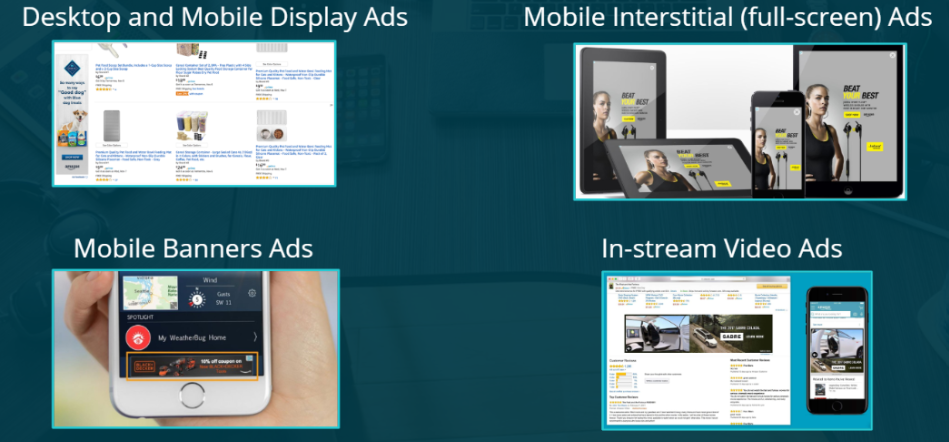
The formats you can activate with Amazon DSP are diverse:
- desktop and mobile display ads;
- in-app banner ads;
- video ads.
Differences from other programmatic display platforms
- Access to a large amount of purchase-intent data. Through DSP, shopper data such as browsing behavior, purchase history and search queries can be used to build highly targeted campaigns down to the product level.
- Inventory segmentation. Amazon DSP serves ads across Amazon-owned properties, including Amazon.com, IMDb and Twitch, as well as third-party sites that work with Amazon, giving advertisers control over where they appear.
- Advanced targeting features. Targeting is based on shopper data and includes behavioral, contextual, interest-based and demographic options, plus geo, device and audience-exclusion refinements.
- Self-service versus managed activation. Amazon DSP is primarily a self-service platform, so advertisers can manage campaigns directly or rely on Amazon or a partner agency for strategy, budget management and operational execution.
Want to start activating DSP?